

How Much Does a Patent Cost? Real Numbers for Founders
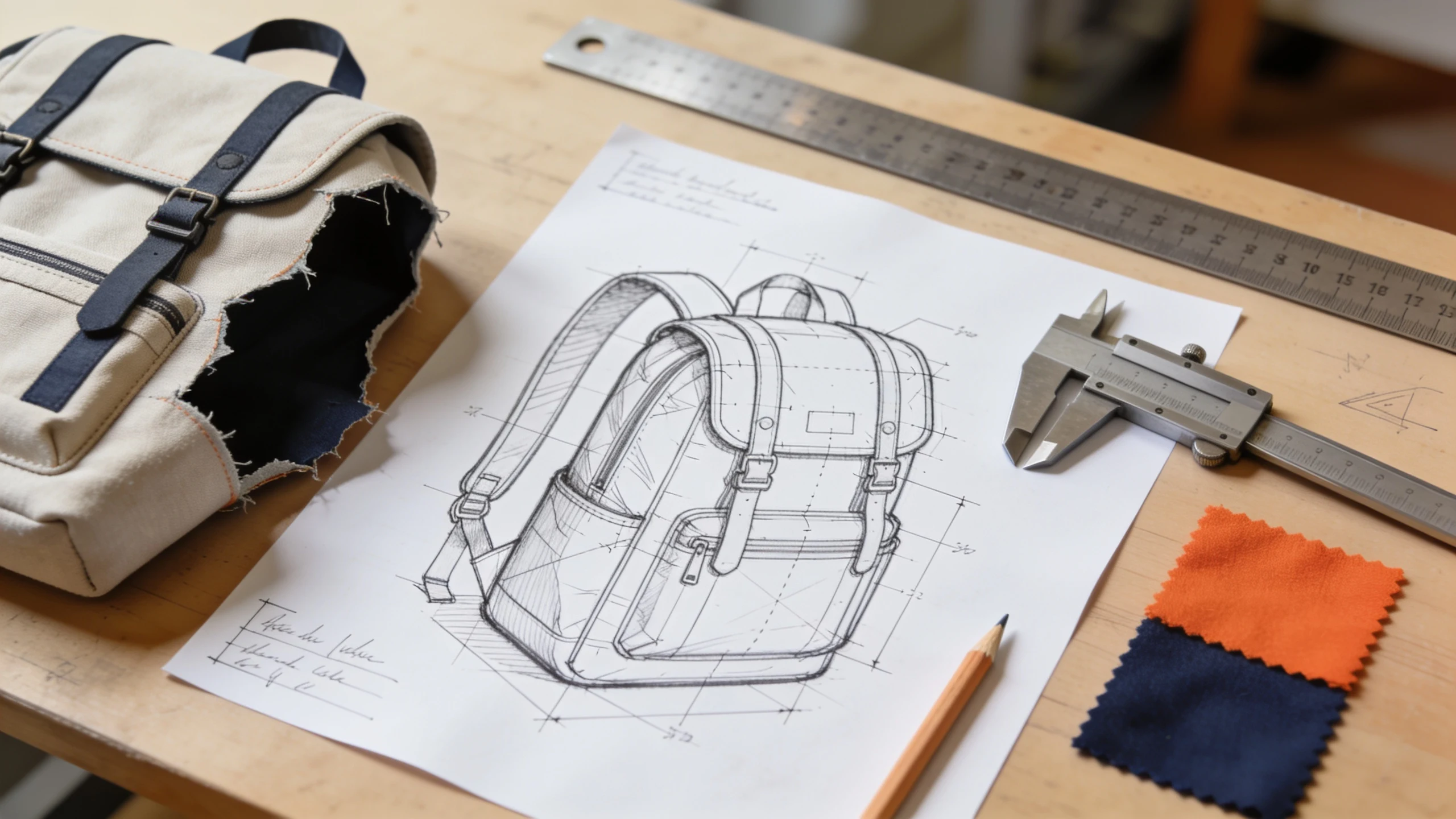
A patent can cost you a few hundred dollars or well past twenty thousand, and the difference is mostly decisions you make before an attorney ever opens your file. I have filed patents for my own products and walked plenty of founders through theirs. These are the real numbers, the design-versus-utility decision that moves the bill more than anything else, and the places founders burn money for nothing.
The short answer, in ranges
United States figures, current as of this year. Fees shift, but the shape holds:
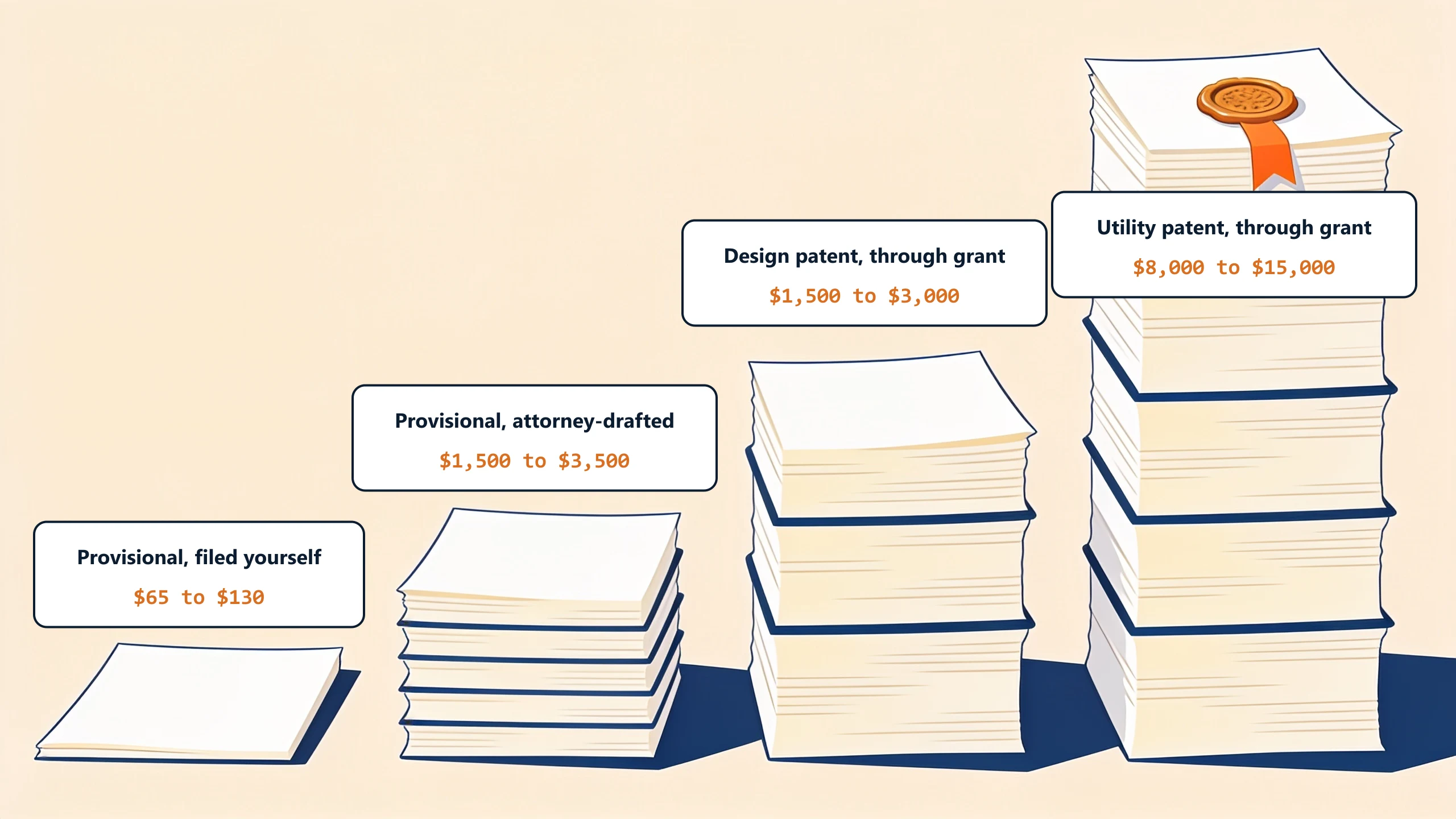
- Provisional application, filed yourself: roughly $65 to $130 in USPTO fees depending on your entity size. Your real cost is the time to document the invention properly.
- Provisional application, attorney-drafted: typically $1,500 to $3,500.
- Design patent, through grant with an attorney: usually $1,500 to $3,000 all-in.
- Utility patent, through grant with an attorney: commonly $8,000 to $15,000, and complex cases go higher. Add maintenance fees at 3.5, 7.5, and 11.5 years to keep it alive.
The gap between those last two lines is why the next section matters more than any fee table.
Design vs utility: the decision that moves the bill
A utility patent protects how something works. A design patent protects how something looks. Founders default to utility because it sounds stronger, and for genuinely novel mechanisms it is. But it costs five times as much, takes years longer, and is harder to get granted.
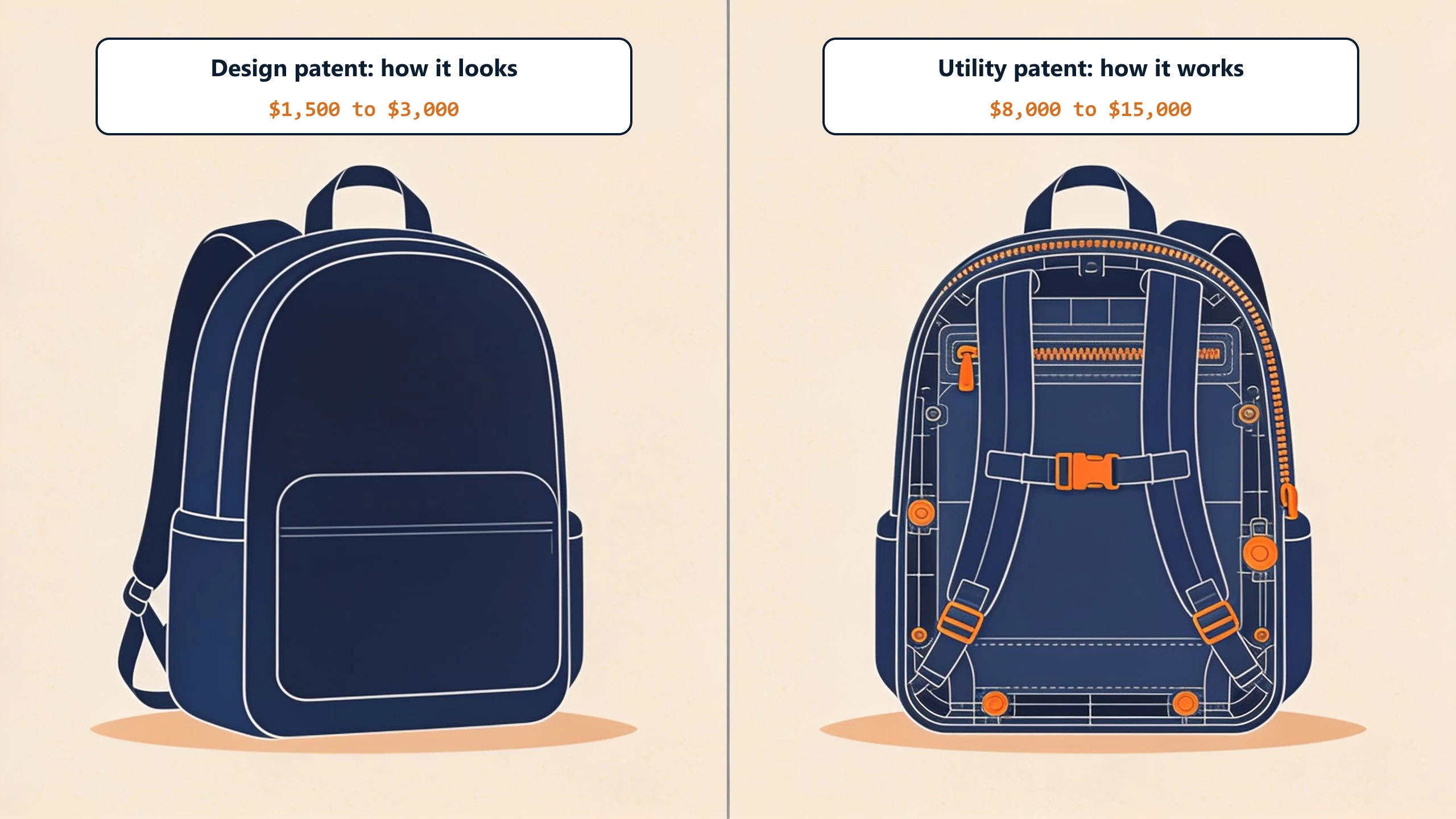
Here is the part specific to soft goods: bags, vests, and packs are rarely won on mechanism. They are won on construction and appearance. A distinctive silhouette, a recognizable panel layout, an ornamental closure arrangement. That is design patent territory, and design patents are cheap, fast, and very enforceable against the copycat behavior you will actually face, which is someone photographing your product and sending it to a factory.
Plenty of strong soft-goods IP strategies are one or two design patents and zero utility patents. Ask what you are actually protecting before you buy the expensive option.
The provisional route, used honestly
A provisional application gives you a filing date and “patent pending” status for twelve months for about a hundred dollars in fees. It is the best value in the entire patent system, with two catches.
First, it is only as good as what you write down. A thin provisional protects nothing. Document every variation, dimension, and construction detail you can.
Second, the twelve-month clock is real. If you do not convert to a full application in time, your filing date evaporates. Use the year to validate that the product sells before committing utility-patent money. That is the point of the provisional: it prices the option to wait.
Where founders waste patent money
- Filing before validating. A granted patent on a product nobody buys is an expensive certificate. Sample it, sell a small run, then protect what works.
- Patenting the wrong thing. Paying utility rates to protect appearance, or filing on a feature competitors would never copy anyway.
- Going worldwide on day one. International filings multiply every cost. File where you sell and where the copies will be made, and expand only when revenue justifies it.
- Trusting an NDA to do a patent’s job. An NDA with your factory is worth signing, and any serious factory will sign one. But an NDA binds one party. It does nothing about the third party who buys your product at retail and reverse-engineers it. Only filed IP does that.
- Skipping the prior art search. A few hundred dollars of searching regularly kills applications that would have died at examination after thousands in fees.
I wrote a whole book walking through this path, from idea to filed patent without a big legal team. It exists because I watched founders make the same five mistakes on repeat. It is on Amazon if you want the long version.
What to do this week
Write your invention down as if teaching a stranger to build it: every dimension, material, and variation. That document is the raw material for a provisional filing, and producing it costs you nothing but an evening. If you want a second opinion on whether your product is worth protecting and where, tell me what you’re trying to make.